If you want more space, more privacy, and a calmer day-to-day rhythm without feeling cut off from metro Atlanta, Milton tends to stand out fast. This north Fulton city has built a reputation around estate-style homes, horse properties, and a semi-rural setting that feels intentional rather than accidental. If you are wondering what it is really like to live here, this guide will walk you through Milton’s layout, lifestyle, housing character, and practical trade-offs so you can decide whether it fits the way you want to live. Let’s dive in.
Why Milton Feels Different
Milton was formed in 2006 from unincorporated Fulton County, and the city continues to describe itself as rural but not remote. According to the City of Milton and U.S. Census QuickFacts, Milton had 41,490 residents in 2024 across 38.49 square miles of land, with a 72.5% owner-occupied housing rate and a mean commute time of 28 minutes.
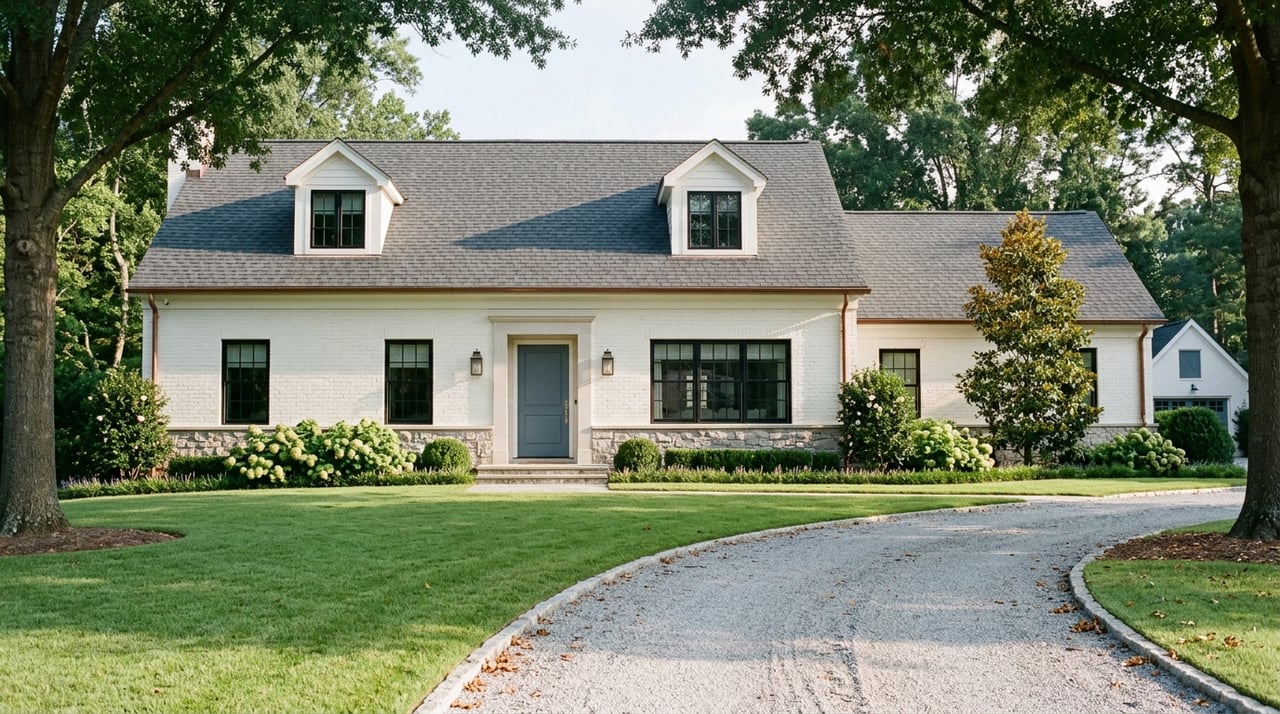
A big reason the city feels so open is its land-use pattern. The city says about 85% of Milton’s more than 39 square miles are agriculturally zoned, which means residential lots must be at least one acre. That framework helps preserve the area’s spacious, low-density character even as Milton remains part of the Atlanta metro.
Equestrian Roots Shape Daily Life
Milton’s identity is closely tied to horses, barns, trails, and large properties. On the city’s Equestrian Community page, Milton describes a strong and proud equestrian culture, with horse farms spread throughout the city rather than confined to one district.
That matters because it changes how the city feels from one road to the next. You are not just seeing a few showcase estates. You are seeing an everyday land-use pattern shaped by acreage, fencing, riding areas, and open land.
The city’s 2024 horse-farm census found more than 200 active horse farms in Milton. For buyers who want horse-friendly land or simply appreciate a more rural visual landscape, that is a meaningful part of the city’s character.
Large Lots Define The Housing Experience
Milton is often most appealing to buyers who want room to spread out. The city defines a large lot as a property of 3 acres or more, and its Large Lots program is designed to encourage owners not to subdivide those parcels.
The city has also discussed incentives that support equestrian uses such as covered riding arenas, rebuilt barns, run-in sheds, and other horse-related structures. That tells you something important about Milton’s long-term direction. Preserving land and supporting estate and equestrian uses is part of the broader vision, not just a leftover from the past.
If you are comparing Milton to more traditional suburban areas, this is one of the clearest differences. In many communities, homes cluster more tightly around amenities. In Milton, the land itself is often one of the main amenities.
What The Market Suggests
Milton is a premium market, but the numbers suggest it is still active. Census QuickFacts reports a 2020-2024 median owner-occupied housing value of $789,000, while the research provided also notes a February 2026 median sale price of $1,119,250, 56 days on market, and a 97.3% sale-to-list price ratio.
For you as a buyer or seller, that combination points to a market where property type, land, condition, and location within Milton can matter a great deal. Estate properties and acreage homes do not always behave exactly like homes in denser suburban markets, so local guidance is especially important when you are evaluating price and long-term value.
Milton Areas To Know
Milton is not one-note. Different parts of the city offer different balances of privacy, convenience, and daily activity.
Crabapple Offers A Village Feel
The city describes Crabapple as the heart of Milton. It is home to City Hall, the Milton Library, many schools, and major events, and it has a more walkable, village-like character than many other parts of the city.
If you want Milton’s general atmosphere but also value having a civic core and a more connected day-to-day pattern, Crabapple may feel like the most approachable starting point. It offers a useful middle ground between suburban calm and practical convenience.
Deerfield Brings More Convenience
Milton’s Deerfield and Highway 9 area is the city’s most heavily commercial corridor. The city’s planning vision emphasizes mixed-use redevelopment, public spaces, and better pedestrian and cycling connectivity.
For buyers who want quicker access to shopping, services, and a more active commercial environment, Deerfield can be a strong fit. It is one of the clearest examples of how Milton balances growth with its broader identity.
Arnold Mill Stays More Rural
The city’s Arnold Mill Small Area Plan describes the corridor as important, picturesque, and unique, with a strong goal of preserving its rural feel. Most of the area is AG-1 zoning with one-acre minimum parcels, and the city notes there is no intention to extend sewer there.
If your priority is land, quiet, and a more country-like setting, Arnold Mill represents one of Milton’s most rural expressions. It tends to appeal to buyers who want that sense of separation and open space.
Birmingham Appeals To Equestrian Buyers
Milton’s equestrian resources highlight Birmingham and similar corridors as strong options for buyers seeking horse-friendly land, larger homesites, and trail access. For equestrian buyers, this part of Milton often deserves extra attention because the lifestyle fit can be especially strong.
Even if you do not own horses, these areas can still appeal if you value scenic roads, larger parcels, and a lower-density environment. The appeal is often as much about atmosphere as specific use.
Parks And Trails Add Everyday Value
Milton’s appeal is not only about private land. The city’s public greenspace system also plays a big role in daily life. According to the city’s Parks and Recreation department, Milton’s greenspace efforts were boosted by a 2016 voter-approved $25 million bond for parks, trails, conservation land, wildlife habitat, and natural areas.
That investment helps explain why Milton feels both residential and outdoors-oriented. You can have large lots and quiet streets, but you also have public spaces that support walking, recreation, and time outside.
Milton City Park And Preserve
Milton City Park and Preserve is one of the best examples of the city’s blended approach. The property totals 137 acres, with 130 acres reserved for passive use, plus a 2.5-mile loop trail.
The active side includes the pool, tennis center, and community center. For residents, that mix creates a lifestyle that feels flexible. You can enjoy conservation-focused land while still having access to traditional recreational amenities.
Providence And Birmingham Parks
Providence Park and Birmingham Park show another side of Milton’s outdoor appeal. Providence Park offers 42 wooded acres, a fishing pier, and three trails, including a paved ADA-accessible loop.
Birmingham Park spans more than 200 wooded acres and includes equestrian-friendly features like horse-trailer parking, hitching posts, connected trails, and a dedicated water source for horses. The nearby Freemanville-Birmingham greenspace adds another 21 acres with pasture-like terrain and trailer parking, which reinforces how deeply equestrian use is woven into Milton’s public spaces.
Active Recreation Still Matters
If your household wants more traditional sports and recreation, Milton also offers that. Bell Memorial Park includes baseball and softball fields, artificial turf fields, pavilions, picnic areas, a playground, and walking trails.
The city also offers outdoor recreation programming, trail-adoption opportunities, and community events. So while Milton is often defined by land and privacy, it also supports a more active and connected lifestyle than many first-time visitors expect.
Schools And Access Matter Too
For many buyers, practical daily logistics matter just as much as aesthetics. Milton is served by Fulton County Schools, and the city’s Milton area schools page lists multiple elementary, middle, and high school options, along with several private schools in the area.
It is best to verify school assignment and enrollment details directly when you are home shopping, but the overall footprint gives residents access to several nearby options. That can be a meaningful factor when you are comparing Milton to other North Atlanta communities.
Transportation also shapes the lifestyle. Milton’s Comprehensive Transportation Plan says the city plans for drivers, pedestrians, cyclists, public transit users, personal transportation vehicles, and horses, while Georgia DOT oversees key state routes such as Highway 9 and Crabapple Road-Birmingham Highway.
In practical terms, Milton often works best for people who want a quieter residential setting but still need regular access to North Fulton and Greater Atlanta. The city’s own planning language emphasizes preserving the rural landscape while maintaining access to urban amenities.
Who Milton Fits Best
Milton tends to be a strong match if you want one or more of the following:
- Acreage and privacy
- Estate-style homes or larger homesites
- Horse-friendly properties and equestrian access
- Parks, trails, and outdoor recreation
- A suburban setting with a quieter pace
- Access to North Fulton and metro Atlanta without a fully urban environment
Within Milton, the best fit often depends on how you want that lifestyle to show up. Crabapple may suit you if you want a village center. Deerfield may suit you if convenience is a priority. Arnold Mill or Birmingham may suit you if your goal is a more land-rich and rural version of Milton.
Final Thoughts On Living In Milton
Milton stands out because it offers something harder to find in a major metro area: meaningful space. Between one-acre minimum zoning across much of the city, a strong equestrian presence, extensive parks and trails, and a few well-defined civic and commercial nodes, the result is a community that feels calm, established, and intentionally low-density.
If you are considering a move to Milton, the key is to look beyond price and square footage alone. The right fit often comes down to how much land you want, how close you want to be to Crabapple or Deerfield, and whether you are drawn more to walkable convenience, equestrian infrastructure, or a more rural everyday setting. If you want help evaluating Milton alongside other North Atlanta communities, Connie Morelle offers thoughtful, personalized guidance designed to make your move feel informed and manageable.
FAQs
What is the overall lifestyle like in Milton, Georgia?
- Milton offers a semi-rural lifestyle with large lots, estate-style homes, horse properties, parks, trails, and access to key North Fulton amenity corridors.
What makes Milton different from other north Fulton suburbs?
- A major difference is land use, since about 85% of the city is agriculturally zoned with one-acre minimum residential lots, which helps preserve a more open and private setting.
Which Milton areas are best for walkability or convenience?
- Crabapple is known for its village-like character and civic core, while Deerfield and Highway 9 offer Milton’s strongest commercial concentration and planned mixed-use growth.
Which parts of Milton feel most rural?
- Arnold Mill, Birmingham, and similar corridors tend to offer a more land-rich, rural atmosphere with larger parcels and stronger ties to Milton’s equestrian character.
Is Milton a good fit for equestrian buyers?
- Yes, Milton has more than 200 active horse farms, horse-friendly public park features, and planning support that reflects a long-standing equestrian culture.
What should buyers consider before moving to Milton?
- You should think about your ideal balance of acreage, privacy, convenience, commute patterns, and access to parks, trails, schools, and commercial areas within the city.