If your next move is pulling you closer to Atlanta, Chamblee is worth a serious look. For many buyers, the challenge is finding a place that feels connected and convenient without locking you into just one housing style or one price point. This guide will help you weigh what Chamblee actually offers, who it tends to fit best, and what to watch for before you make your move. Let’s dive in.
Why Chamblee Stands Out
Chamblee has a different feel than a traditional low-density suburb. According to U.S. Census QuickFacts for Chamblee, the city has 32,321 residents, a median household income of $84,452, a mean commute time of 25.3 minutes, and a median owner-occupied home value of $432,800.
One number that says a lot about the city is the owner-occupied housing rate. In Chamblee, that figure is 39.7%, which is notably lower than DeKalb County overall. In practical terms, that points to a market with a stronger renter presence and a more urban, flexible housing profile than many nearby suburban options.
If you are moving intown for access, convenience, or a lower-maintenance lifestyle, that mix may appeal to you. If you are hoping for a more traditional pattern of mostly owner-occupied, low-density neighborhoods, Chamblee may feel different from what you expect.
Housing Options in Chamblee
One of Chamblee’s biggest strengths is variety. The city’s 2024 Comprehensive Plan says nearly 60% of housing units are multifamily, more than half are renter-occupied, and much of the housing stock was built between 1950 and 1980.
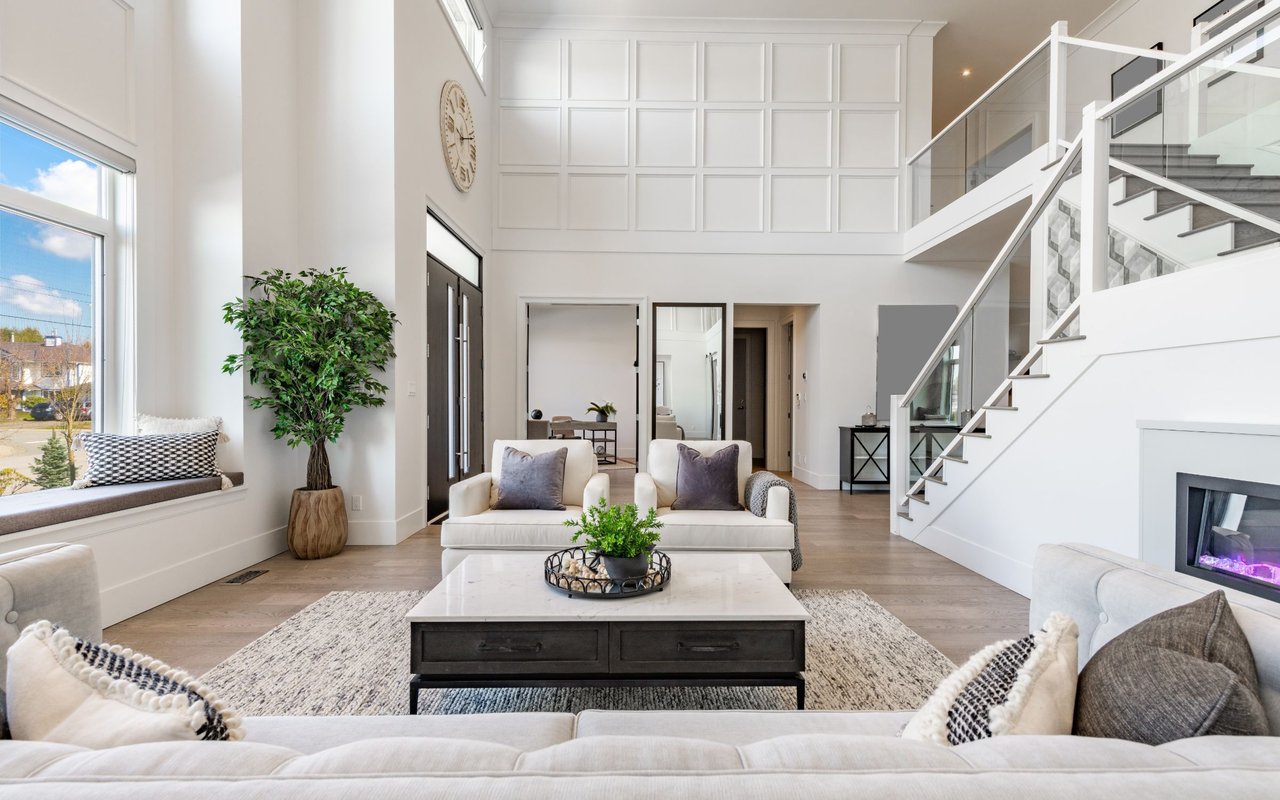
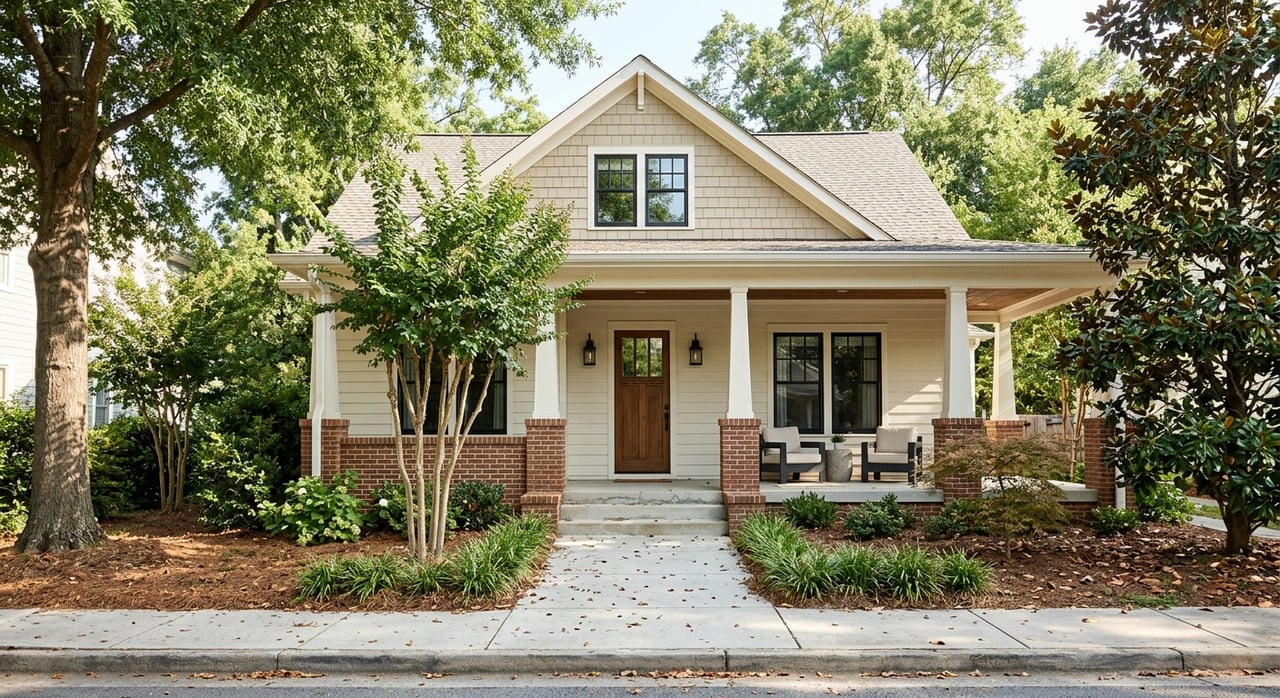
That means you are not looking at a one-note market. Instead, you will find a mix of attached homes, condo-style options, and older single-family pockets. For buyers who want flexibility, that can make Chamblee easier to shortlist than places with a narrower housing inventory.
It also means the home search should be specific. Two homes in Chamblee can offer very different lifestyles depending on whether you are looking near the core or in an older residential pocket.
Price Range Across the City
Current Realtor.com local market data for Chamblee places the median sale price around $525,000. That puts Chamblee below Brookhaven at $675,000 and Dunwoody at $639,000, while above Doraville at $397,500.
Inside Chamblee, prices also vary quite a bit. Downtown Chamblee is listed around $317,450, while areas such as Dresden East at about $455,000, Huntley Hills at about $585,000, Lakes District at about $584,000, and Embry Hills at about $599,000 show a much broader internal range.
That spread matters if you are comparing value. Chamblee can work as an entry point for buyers who want a more urban, condo-oriented environment, but it can also compete with higher-priced nearby options depending on the home type and location you choose.
Transit and Commute Convenience
Transit is one of Chamblee’s clearest advantages. MARTA’s Chamblee Station page notes that the station sits on the Gold Line and offers more than 1,700 surface parking spaces, free parking for less than 24 hours, local MARTA bus routes, regional bus connections, and even a Zipcar.
That kind of access can make daily life more flexible. If you want the option to drive some days, take rail other days, and still stay connected to major corridors, Chamblee checks an important box.
The city’s Town Center LCI update places the core just inside I-285 between Georgia 400 and I-85, about 15 miles from Downtown Atlanta. Peachtree Boulevard and Buford Highway serve as key arterials, which adds to the location’s practical appeal.
How Chamblee Compares Nearby
Chamblee’s mean commute time of 25.3 minutes is very close to Brookhaven at 25.1 minutes and Dunwoody at 24.9 minutes, based on Census QuickFacts comparisons. Doraville comes in at 28.4 minutes.
So the appeal is not necessarily that Chamblee creates a dramatically shorter average commute. The bigger advantage is that you have more than one way to get around. For many busy buyers, that flexibility matters just as much as the average trip time.
Redevelopment Shapes the City
If you are considering Chamblee, it helps to understand that change is part of the story. The Town Center LCI update highlights redevelopment in and around historic Downtown Chamblee near the MARTA station, and the city’s zoning includes Village Commercial and Village Residential categories that support mixed-use flexibility.
The same plan also calls for extending the Chamblee Rail Trail toward Downtown Chamblee as redevelopment allows, along with streetscape improvements on Peachtree Road and New Peachtree Road. That tells you the city is still evolving rather than sitting in a fully built-out suburban pattern.
For some buyers, that is a plus. Ongoing change can support energy, access, and housing diversity. For others, a more settled, lower-change environment may feel like a better fit.
Who Chamblee Fits Best
Chamblee tends to work well if you want a close-in location with a wider housing mix. It is especially worth considering if you are looking for one or more of the following:
- Access to MARTA and major highways
- Condo, townhome, or attached housing options
- A location with both urban-style and older residential pockets
- More price variety within one city
- A move that feels connected to Atlanta without being in the center of Downtown
This can be especially appealing for relocating professionals, buyers simplifying into lower-maintenance living, or households that want to stay mobile and flexible as needs change.
When Chamblee May Not Be the Best Match
No city fits every buyer equally well. Based on the city’s housing profile and planning documents, Chamblee may be a weaker fit if your top priority is a more traditional suburban setting with mostly low-density, owner-occupied neighborhoods and less redevelopment activity.
That does not make Chamblee better or worse. It simply means your lifestyle goals should lead the decision. The right move is not only about price or distance. It is about how the area works for your day-to-day life.
Questions to Ask Before You Move
Before you decide whether Chamblee belongs on your short list, ask yourself:
- Do you want rail access, or are you primarily focused on driving routes?
- Are you open to condos, townhomes, or multifamily living?
- Would you enjoy living in an area that is still evolving?
- Do you want a wider range of price points within one city?
- Is your goal lower maintenance, closer access, or a mix of both?
Those questions can help you narrow not just whether Chamblee fits, but which part of Chamblee may fit you best.
If you are weighing Chamblee against nearby options, the best next step is to compare housing style, commute patterns, and day-to-day convenience side by side. Connie Morelle offers polished, personalized guidance for buyers and sellers across Greater Atlanta, with the local insight and steady communication that help you make a confident move.
FAQs
Is Chamblee a good fit for an intown move in Atlanta?
- Chamblee can be a strong fit if you want close-in access, MARTA connectivity, and a broader housing mix than a typical low-density suburb.
What types of homes are common in Chamblee, GA?
- Chamblee has a large share of multifamily housing, along with attached homes and older single-family pockets, according to the city’s comprehensive plan.
How expensive is Chamblee compared with Brookhaven and Dunwoody?
- Current market snapshots place Chamblee around a $525,000 median sale price, below Brookhaven at $675,000 and Dunwoody at $639,000.
Does Chamblee offer good MARTA access?
- Yes. Chamblee Station is on the Gold Line and includes parking, bus connections, and regional access options through MARTA.
Is Chamblee more urban or suburban in character?
- Chamblee generally reads as more close-in and transit-oriented than a traditional suburb, with redevelopment activity and a mix of residential and mixed-use areas.
What kind of buyer should consider Chamblee, Georgia?
- Chamblee may appeal to relocating professionals, buyers seeking condo or townhome options, and households that value location flexibility and easier access to Atlanta.